Aston Martin Valkyrie Coupe
Aston Martin Valkyrie pushes the boundaries of performance
Gold Coast QLD
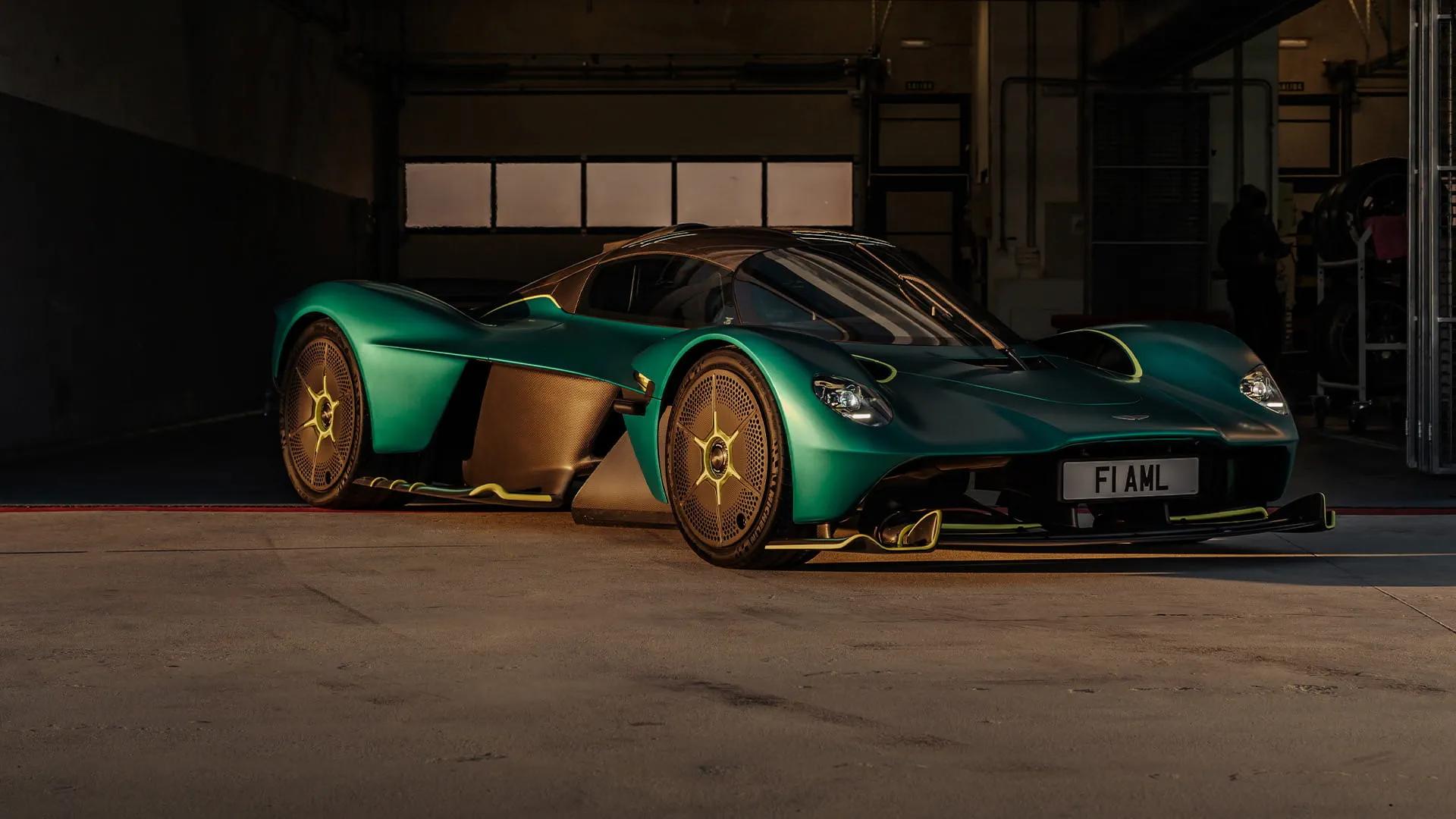
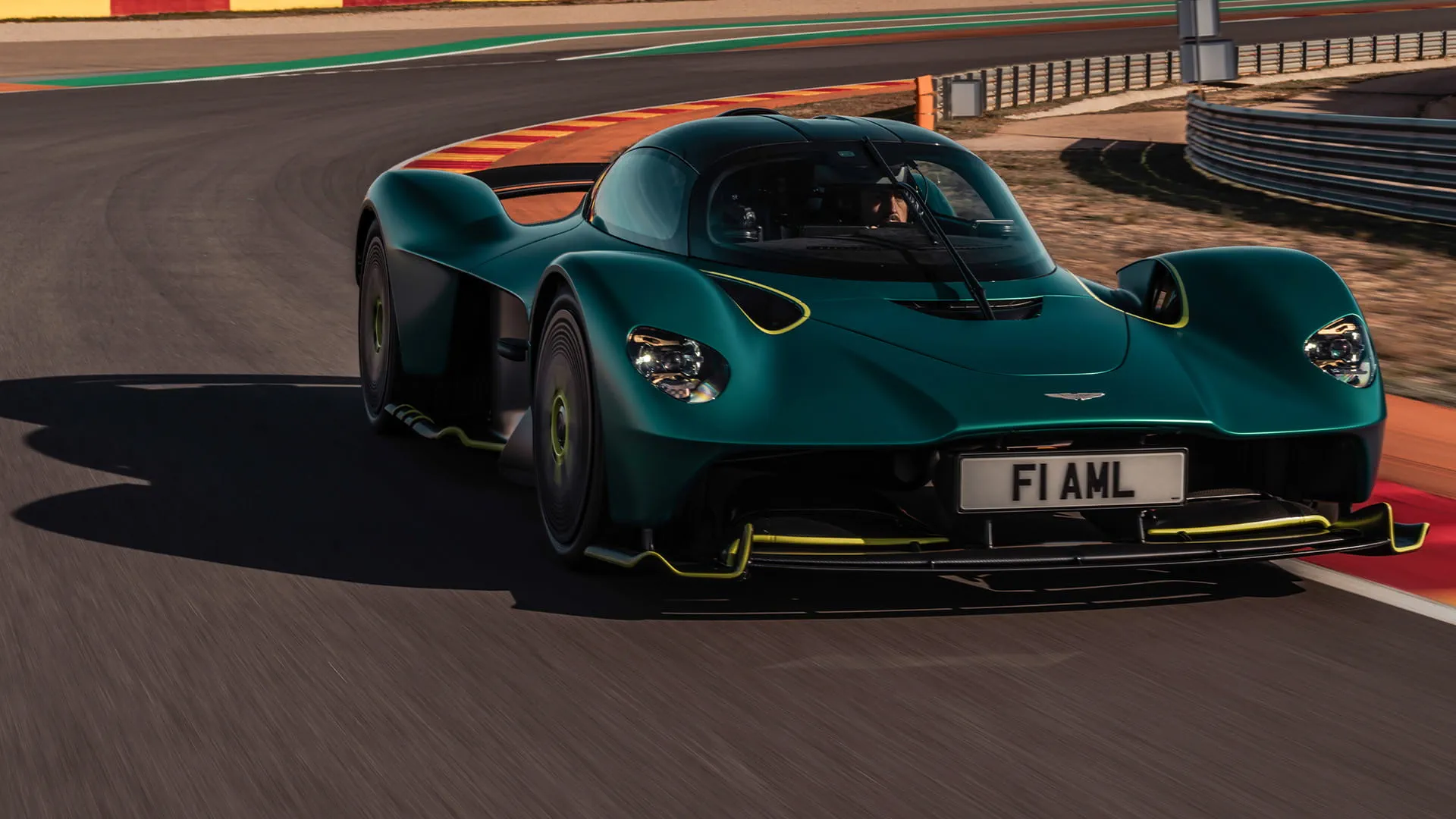
Aston Martin Valkyrie comes as close as possible to being a Formula One™ car without being restricted to the track.


Aston Martin Valkyrie Coupe Features


Engineering and Performance
Aston Martin Valkyrie comes as close as possible to being a Formula One™ car without being restricted to the track.
Space-age engineering
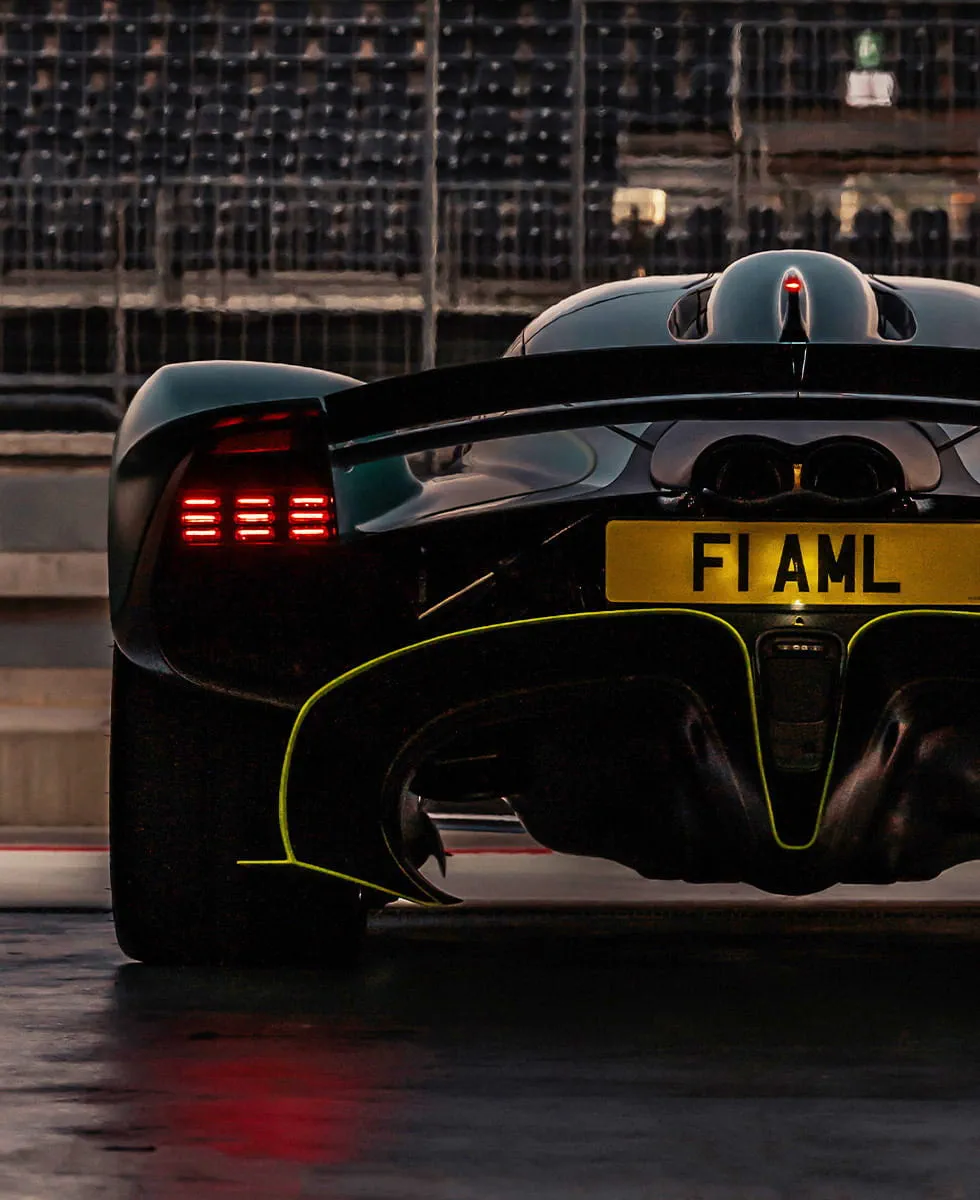
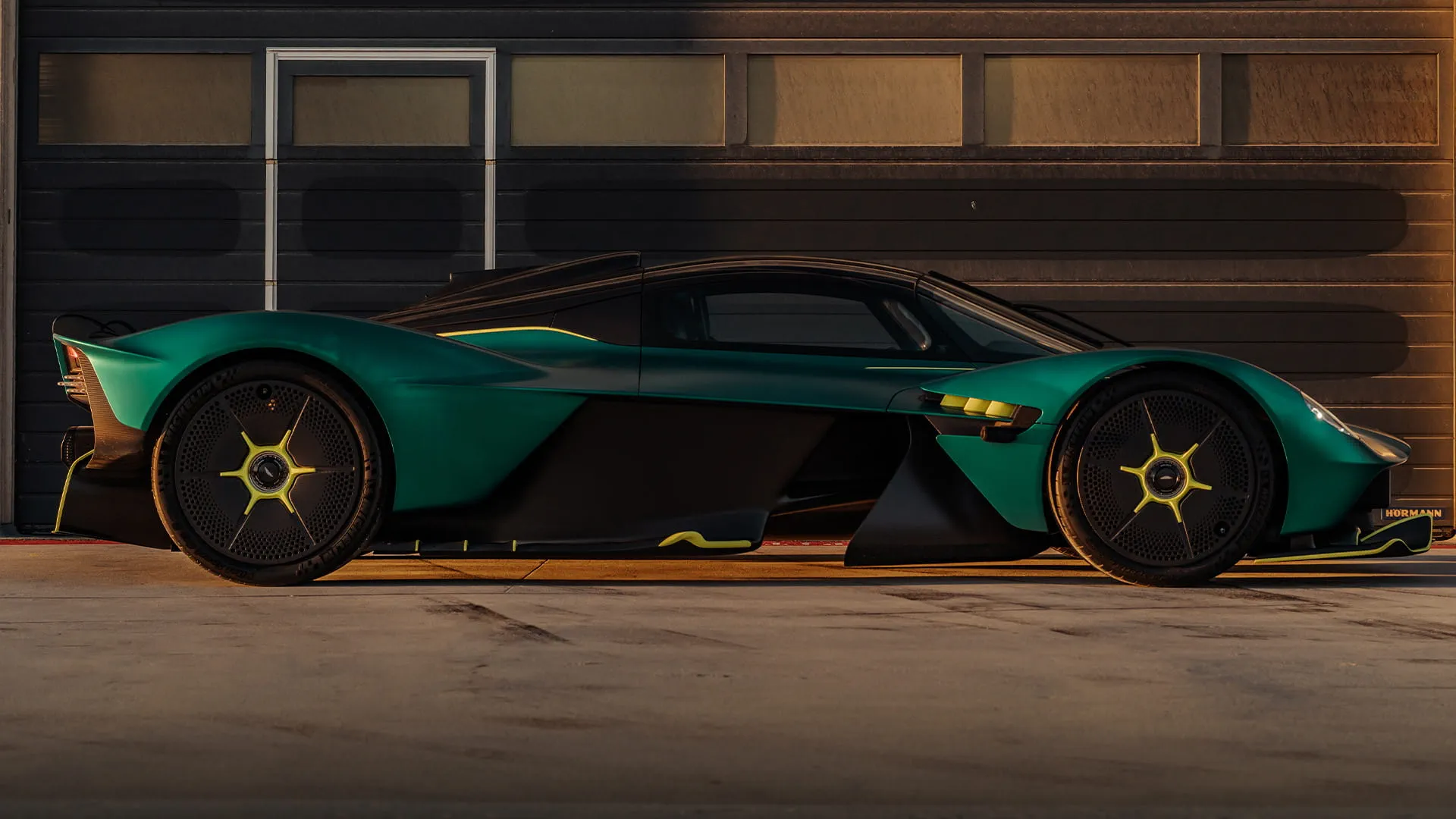
The striking aerodynamic exterior and open underfloor maximise downforce and harness the atmosphere around Aston Martin Valkyrie. All-carbon fibre bodywork carries Aston Martin's trademark upper grille outline before flowing into a radical body shape that is utterly honed for performance.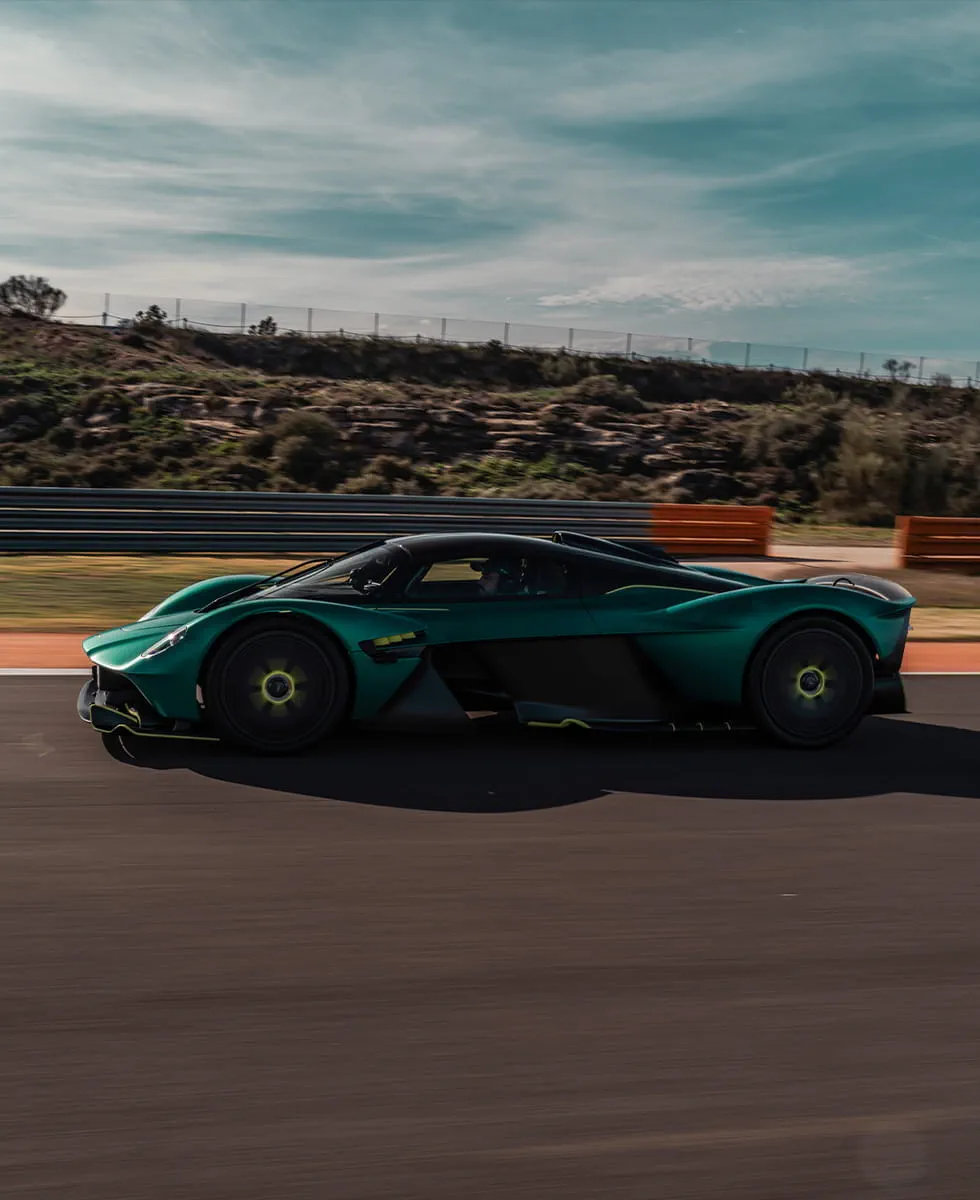
100% CARBON FIBRE
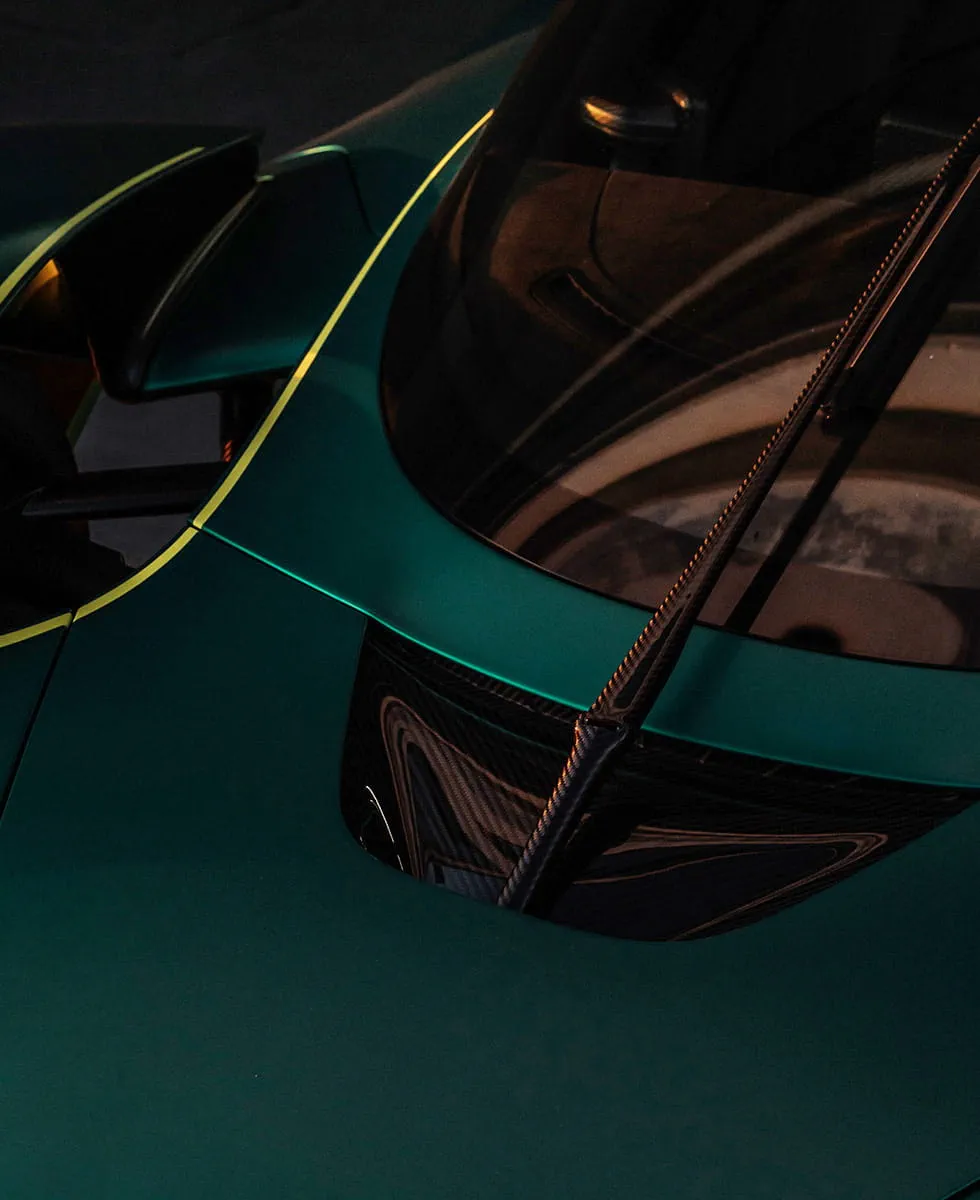
There is not one single steel component in Aston Martin Valkyrie's structure. It is 100% carbon fibre, minimising load while pushing the power:weight ratio to the max.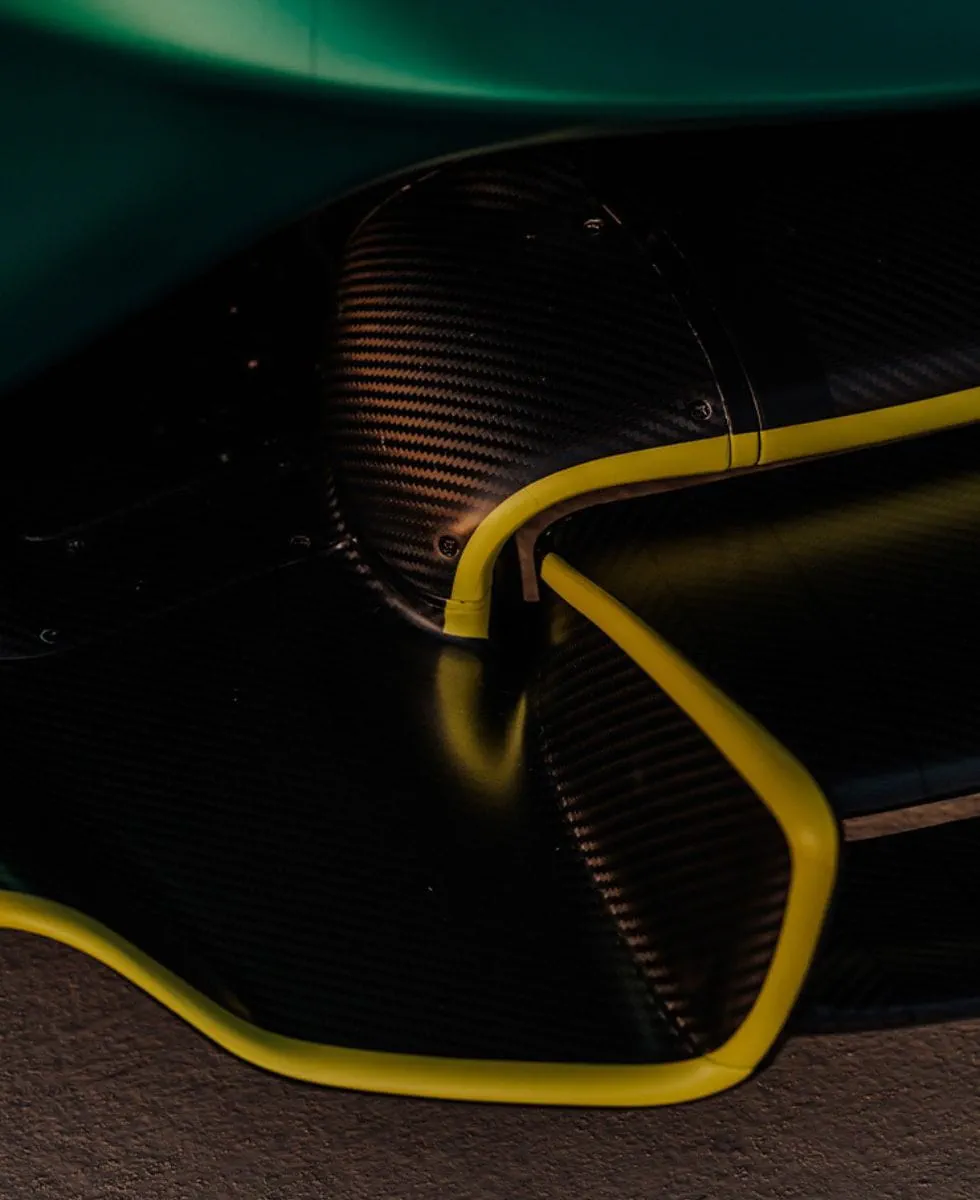
REBELLIOUS TECHNOLOGY
Aston Martin Valkyrie comes as close as possible to being a Formula One™ car without being restricted to the track. Its rebellious technology is the direct result of our partnership with Red Bull Racing Advanced Technology with all the Aston Martin hallmarks of cleverly crafted luxury. 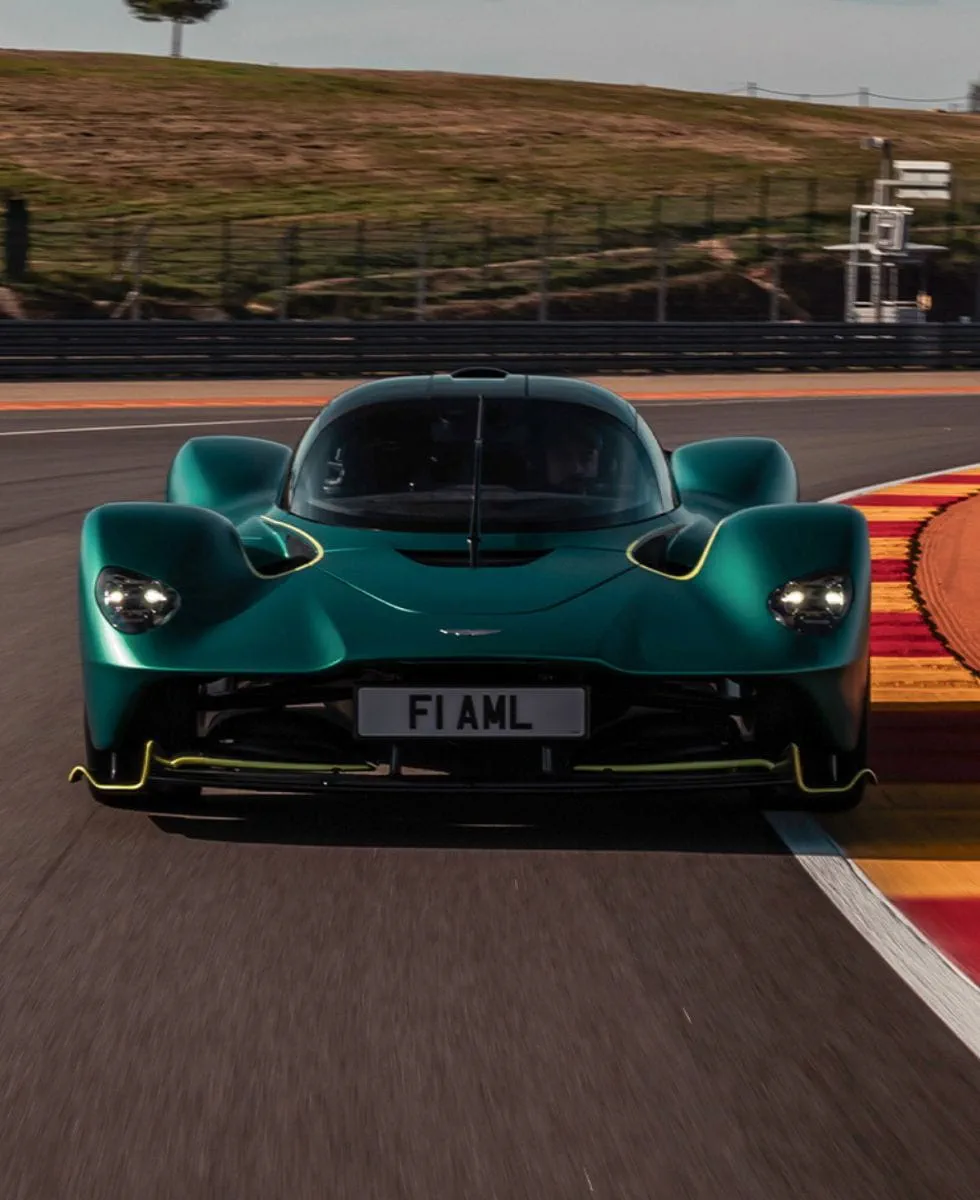
APACHE HYDRAULICS, FOR THE ROAD
Tolerance of 3.5g. Speeds of 322km/h. Downforce more typically associated with the lift and pitch of a fighter jet. If you’ve heard the rumour that part of an Aston Martin Valkyrie comes from an Apache gunship, the rumour is true. Nothing that already existed in the automotive world had the hydraulic power required to run all this. Or handle the pressure of bringing F1® track pedigree to the road. The downforce is so otherworldly that the tires would just burst. Piloted by the Active Control Unit, thousands of times a second, the active aero recalibrates the suspension, damping and form of the car.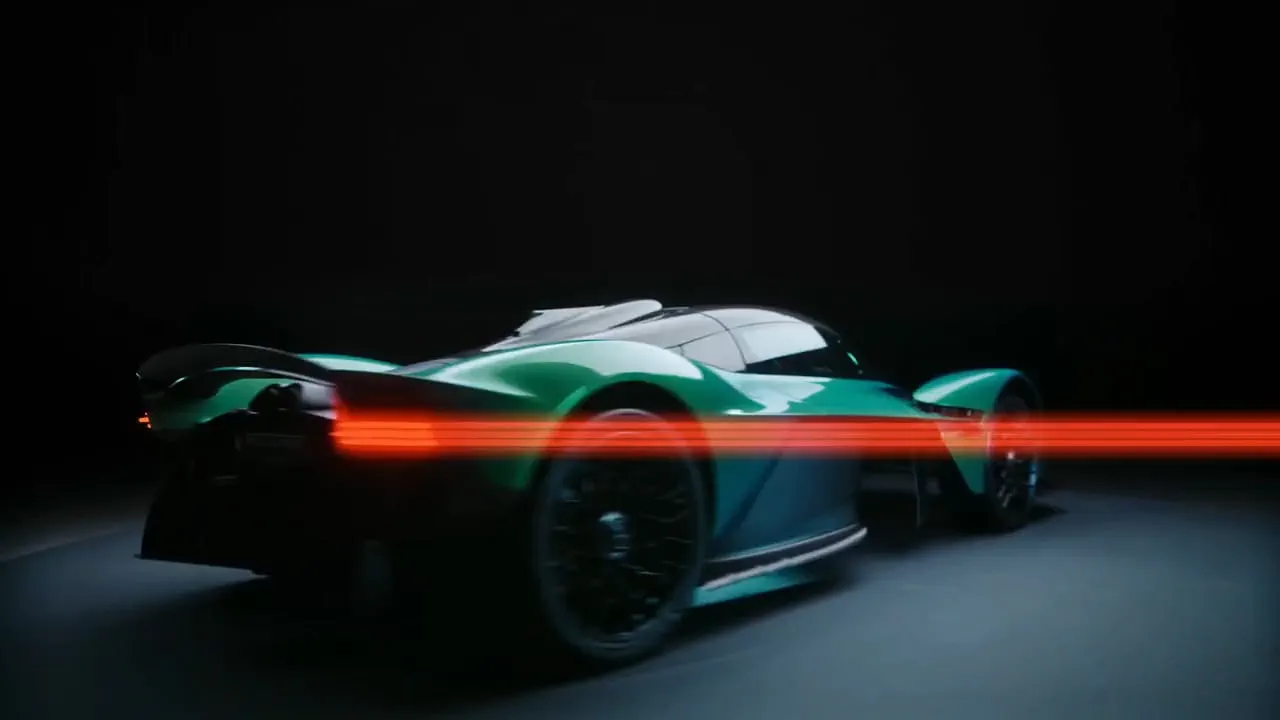
A TECHNICAL MARVEL
Responding like a reflex to live inputs from driver, road and aerodynamic load, to bleed off excess downforce and keep it within limits the tyres can take. A technical marvel with seventeen different actuators powering the hydraulics. As well as three different controllers – skyhook, groundhook and aerohook – finetuning damping force to improve the dynamics of its F1® derived double wishbone suspension. Arming the Aston Martin Valkyrie with virtually no body roll blending breath-stealing cornering with heart-stopping straight-line speed, and an ability to accelerate without pitch. Brake without diving. Make light of potholes and subdue the most undesirable road conditions. With military technology, military firepower and military precision.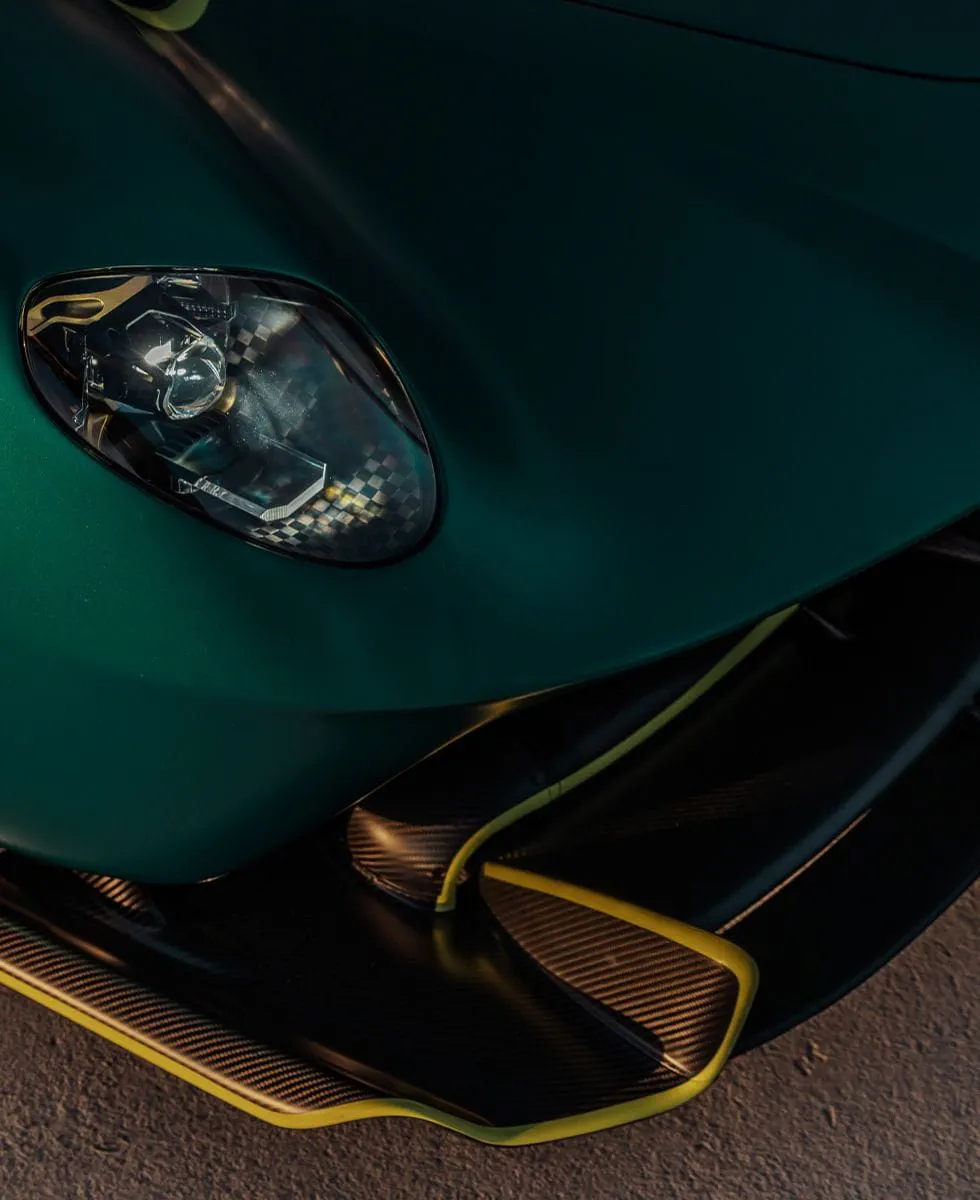
THE BETTER THE GRIP, THE BETTER THE PERFORMANCE
That is, it’s the sidewards acceleration of the car, felt in corners as you turn. The higher the g, the more mechanical grip the car has during cornering. The better the grip, the better the performance. Most road cars produce between 0.6 and 0.7g. Top-of-the-range sports cars tend to top out at around 1.1g. The Aston Martin Valkyrie produces 3 times that. More than 3 times the force of gravity raining down across every pore of your person. The wheel engraves new feeling into your palm. The contours of the seat cosset your body with more closely-wrapped intensity. You weigh three times more than you do normally. It feels like you’re flying and at the same time you’re heavier than you’ve ever been before.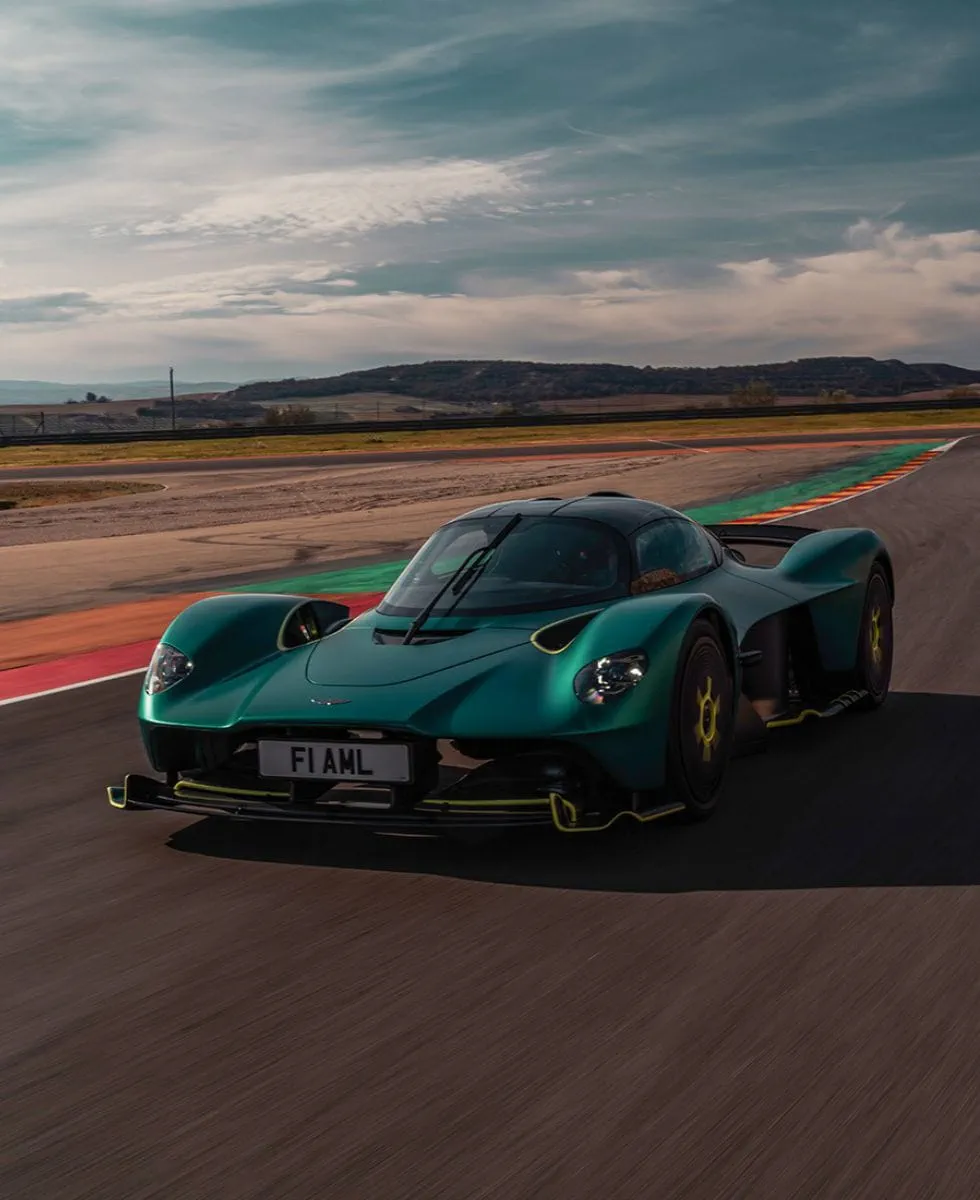
V12 MARVEL
By starting impossibly small. Cosworth took the idea of a humble straight three and effectively developed a quarter of an engine. This allowed them to test and develop the combustion system they wanted to use on a scaled-down and more precisely manageable platform. When everything from chamber shape to valve angles and compression ratio was perfected, they took the resulting straight three, put another end to end, then two more back to back, to create the basic configuration for this V12 marvel. This approach allowed us to ensure that both the power requirements and emissions levels we needed could be hit. And what a spine-searing, bone-rattling hit. The V12 packs 154 bhp per litre. Reaching a total output of 1130bhp, with KERS assistance. While weighing in at a mere 202kg. If you don’t quite believe your eyes reading that: as the power revs up to 10,000rpm, your vision literally begins to blur.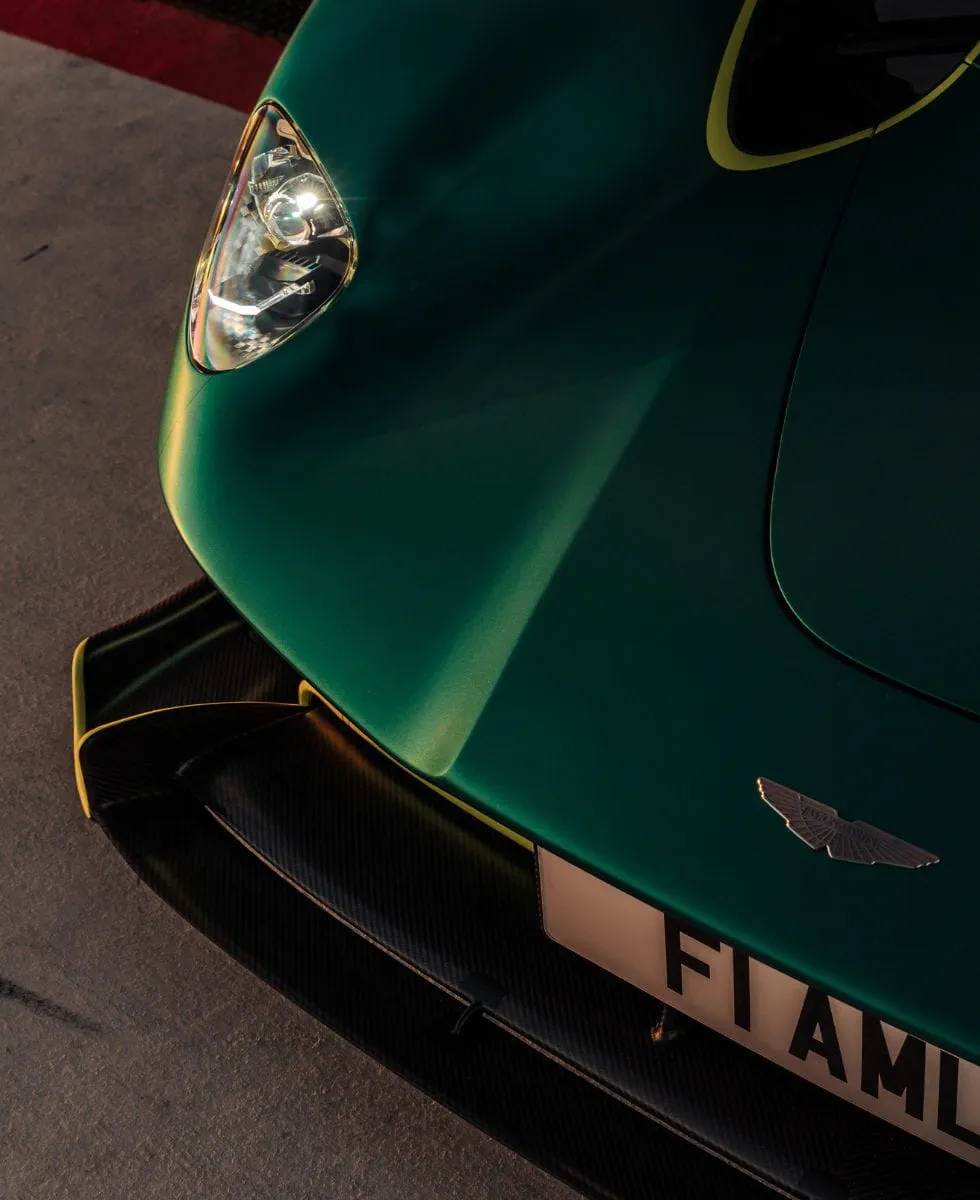
Design
"Everything has been approached afresh. It truly is thinking from the ground, up." - Marek Reichman, EVP and CCO.