AMR25

    Aston Martin AMR25

    Introducing the AMR25

    Gold Coast QLD
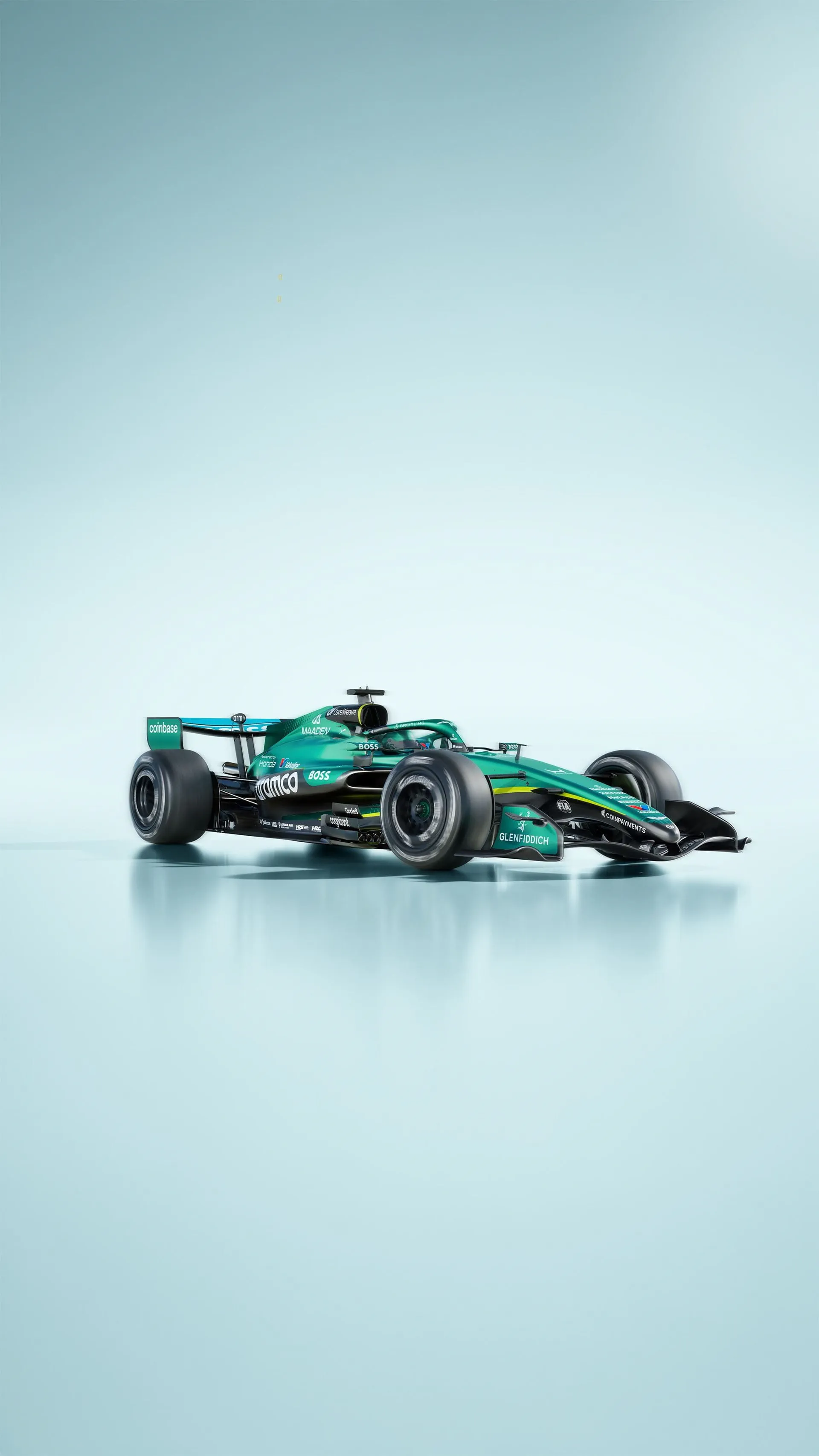
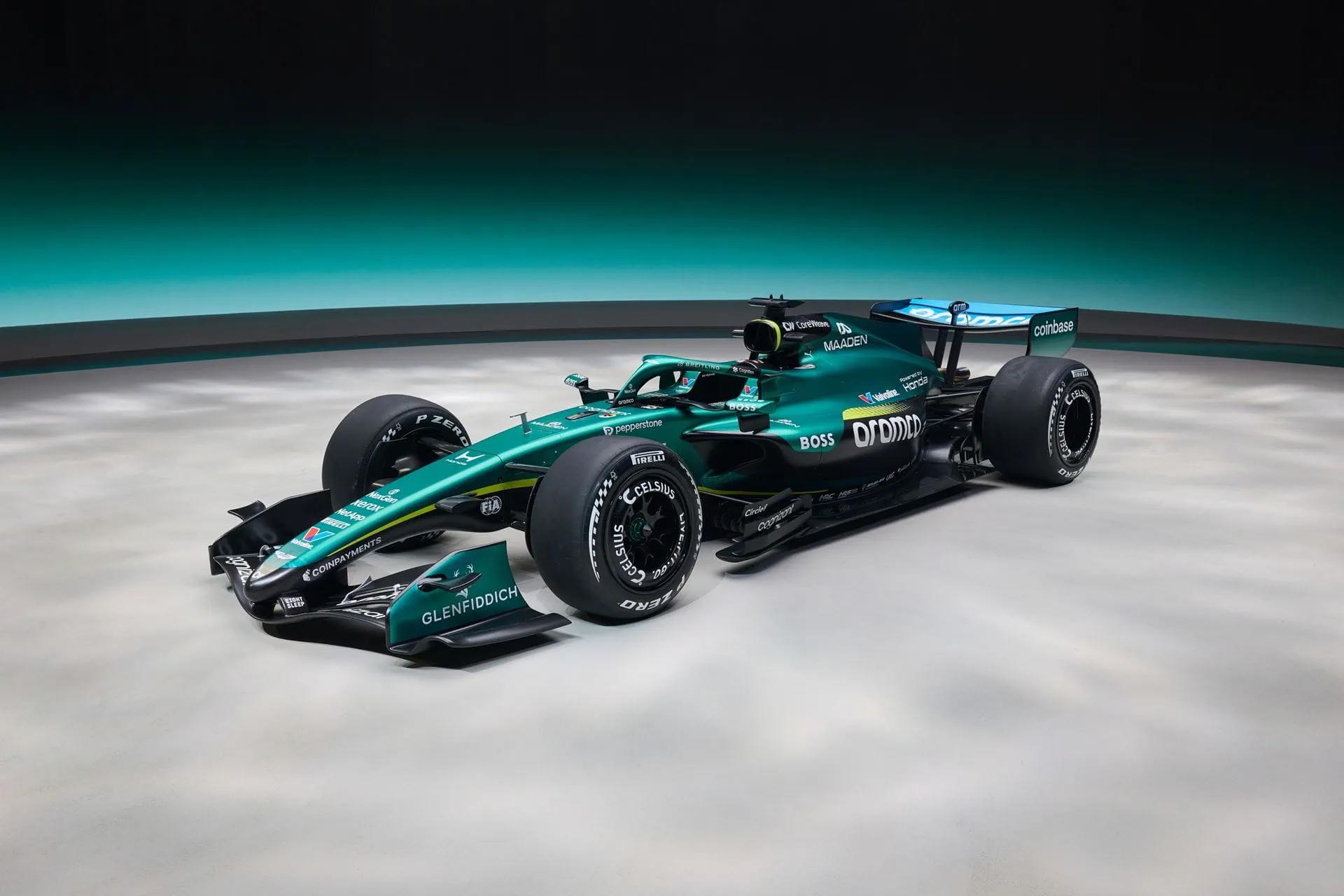
    From the carefully sculpted bodywork to the delicate calibration of components, our 2025 Formula One™ car is the product of an unyielding force that propels us forward. More driveable. More predictable. More stable. The AMR25 is designed to allow Aston Martin Aramco drivers Lance Stroll and Fernando Alonso to push the limits on the track.

    Aston Martin AMR25 Features

    AMR25

    Aston Martin AMR25

    • Aston Martin Aramco Formula One™ Car 2025

    ← Swipe →

    Push the limit

    Push the limit

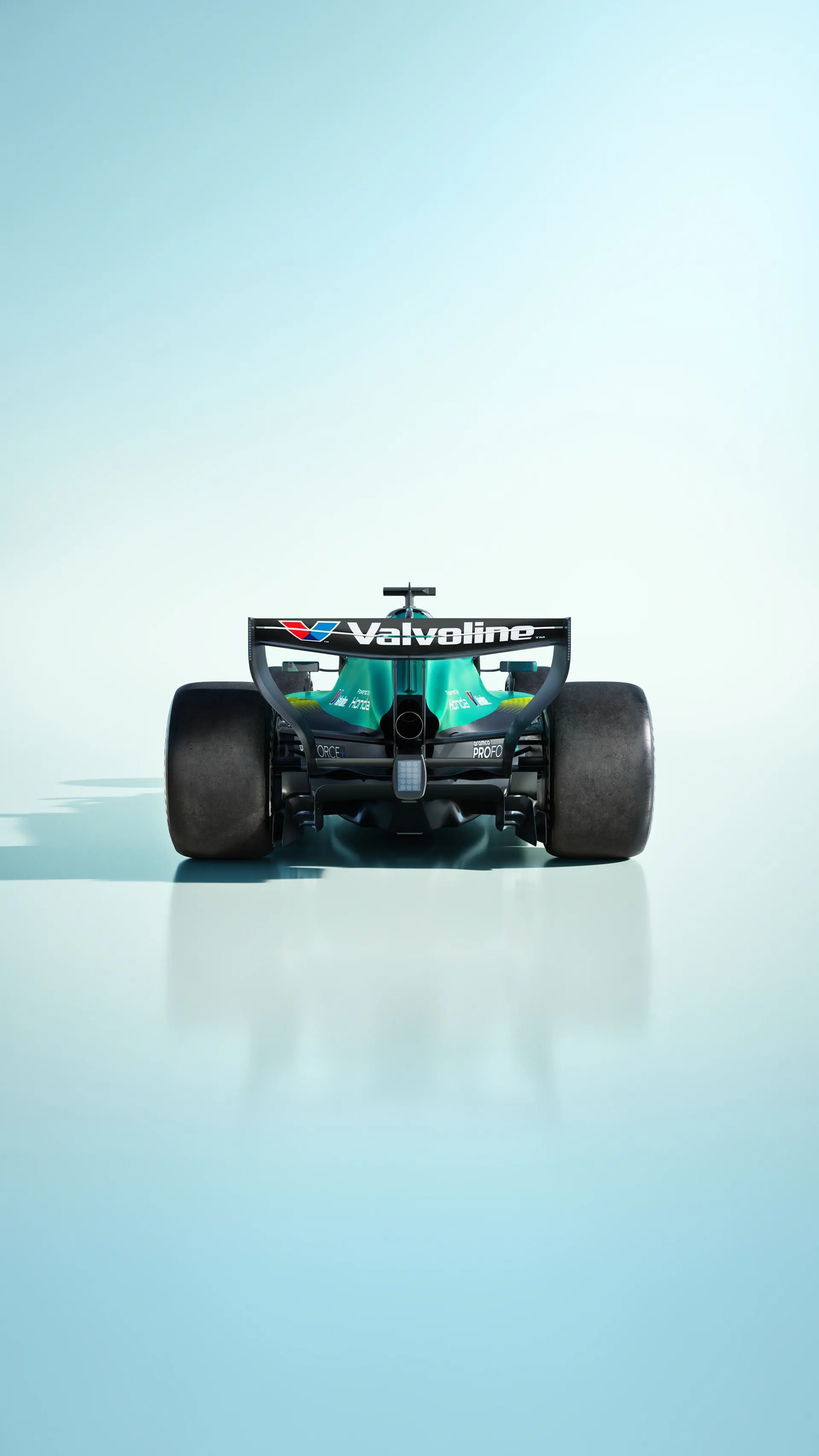
    We’ve applied our learnings from previous seasons to evolve our car from nose to tail. More than 90 per cent of its aerodynamic surfaces differ from its predecessor, with changes to the front and rear wings, sidepods, engine cover and floor enabling us to craft a compliant and refined racecar.

    Rear Wing

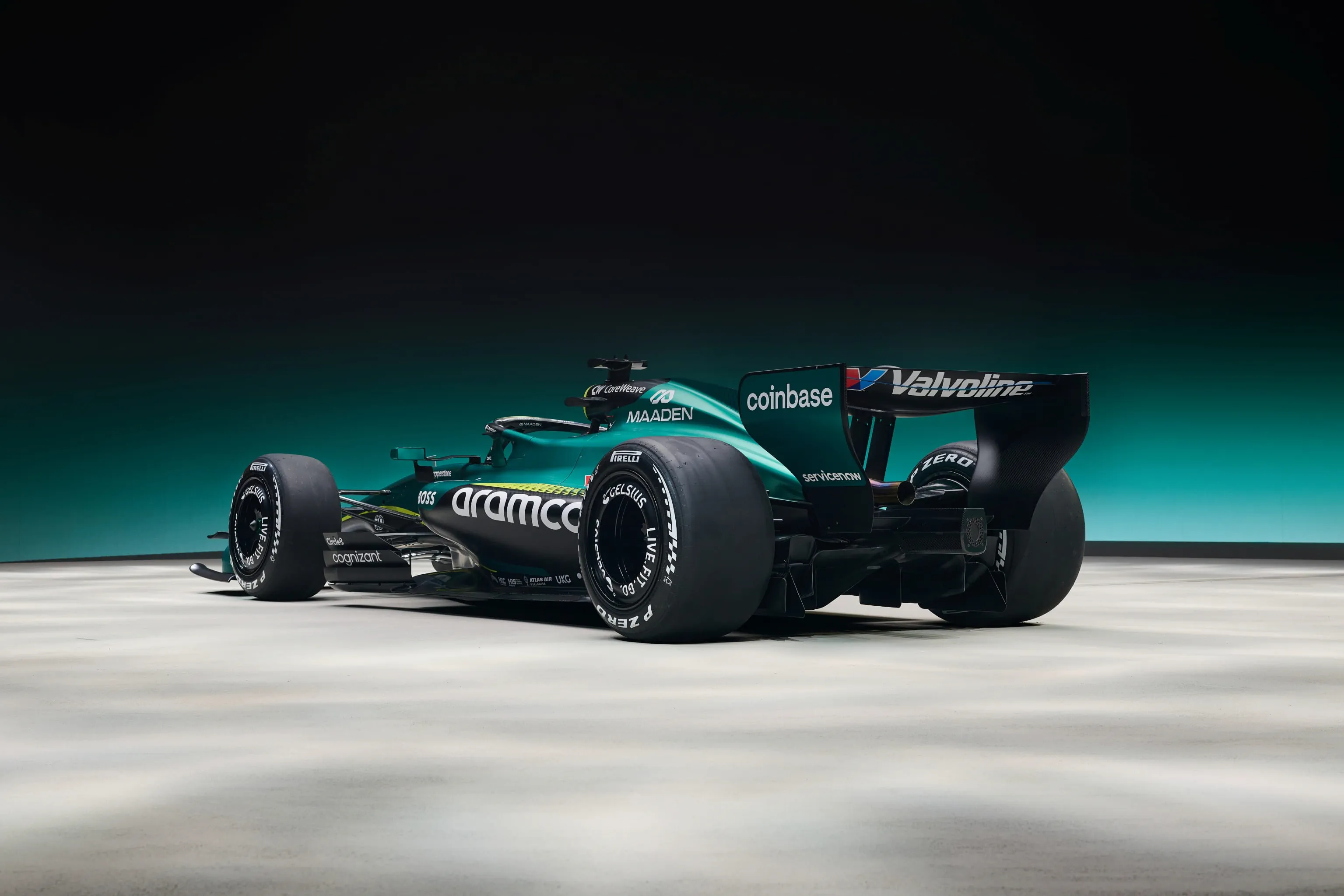
    One of the largest aerodynamic structures on the car, air flows over and around the rear wing, pushing the car down towards the racetrack and providing mechanical grip which is crucial for cornering performance. A stable rear also improves corner turn-in by limiting sliding; the AMR25’s rear wing has been designed with this in mind. Rear wings create a wake, increasing air resistance — also known as drag. The smaller the rear wing, the lower the drag and the higher the car’s straight-line speed. A bigger rear wing will generate more downforce but at the expense of higher drag and lower straight-line speed.
    Rear Wing

    Bodywork

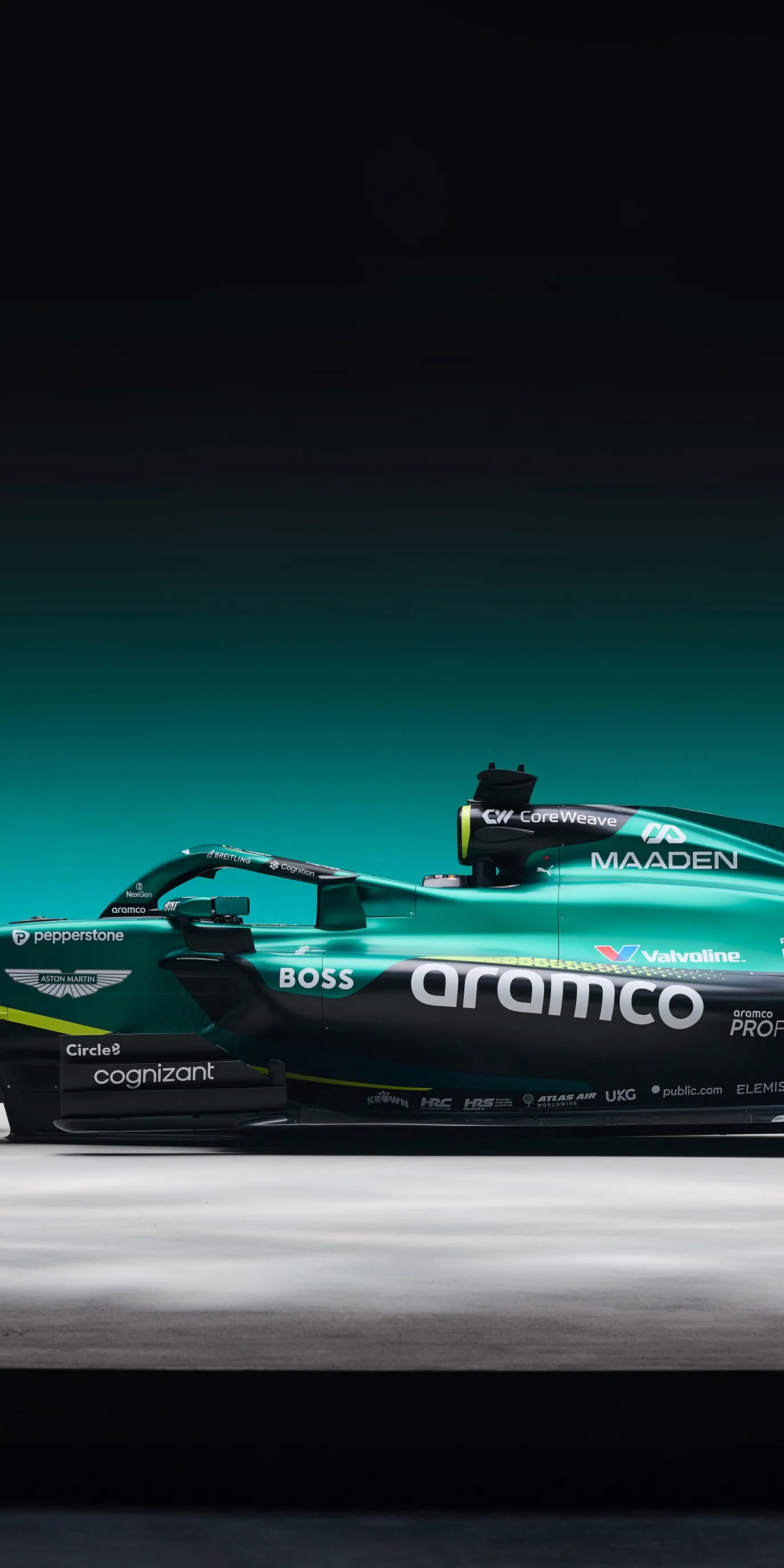
    The most striking change visually compared to its predecessor, the sidepods of the AMR25 have been reprofiled. Deeply undercut, they feature a swooping channel along the length of the upper surface to better guide airflow. A tightly packaged radiator layout has been reconfigured to accommodate the new sidepod design. The radiators play a critical role in regulating the powertrain’s temperature. The engine cover features a jagged, razor-sharp spine running from the airbox towards the rear wing to direct airflow to the rear of the car. Large louvres draw hot air away from the turbocharged 1.6-litre V6 hybrid power unit and cooling systems that sit beneath the shrink-wrapped bodywork which features a cooling cannon at the rear to direct air from the radiators.
    Bodywork

    Front Wing

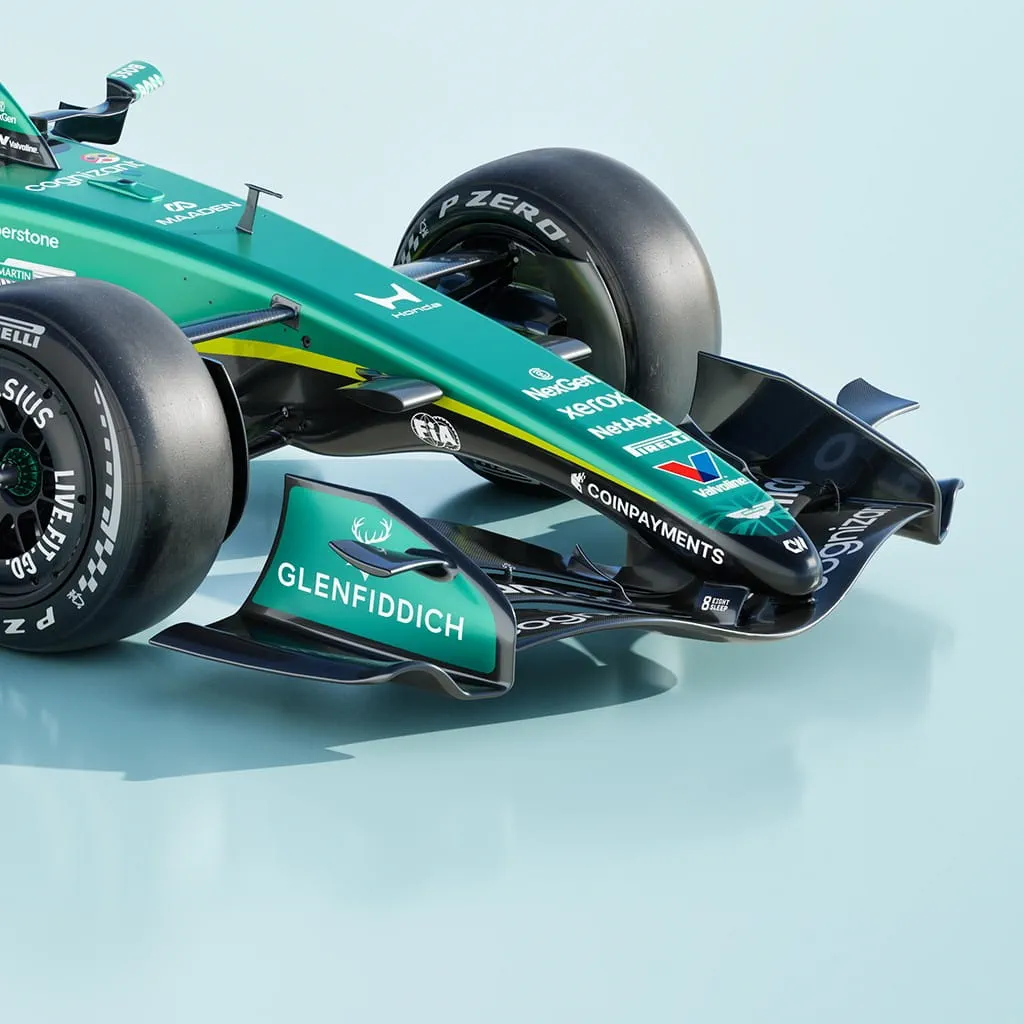
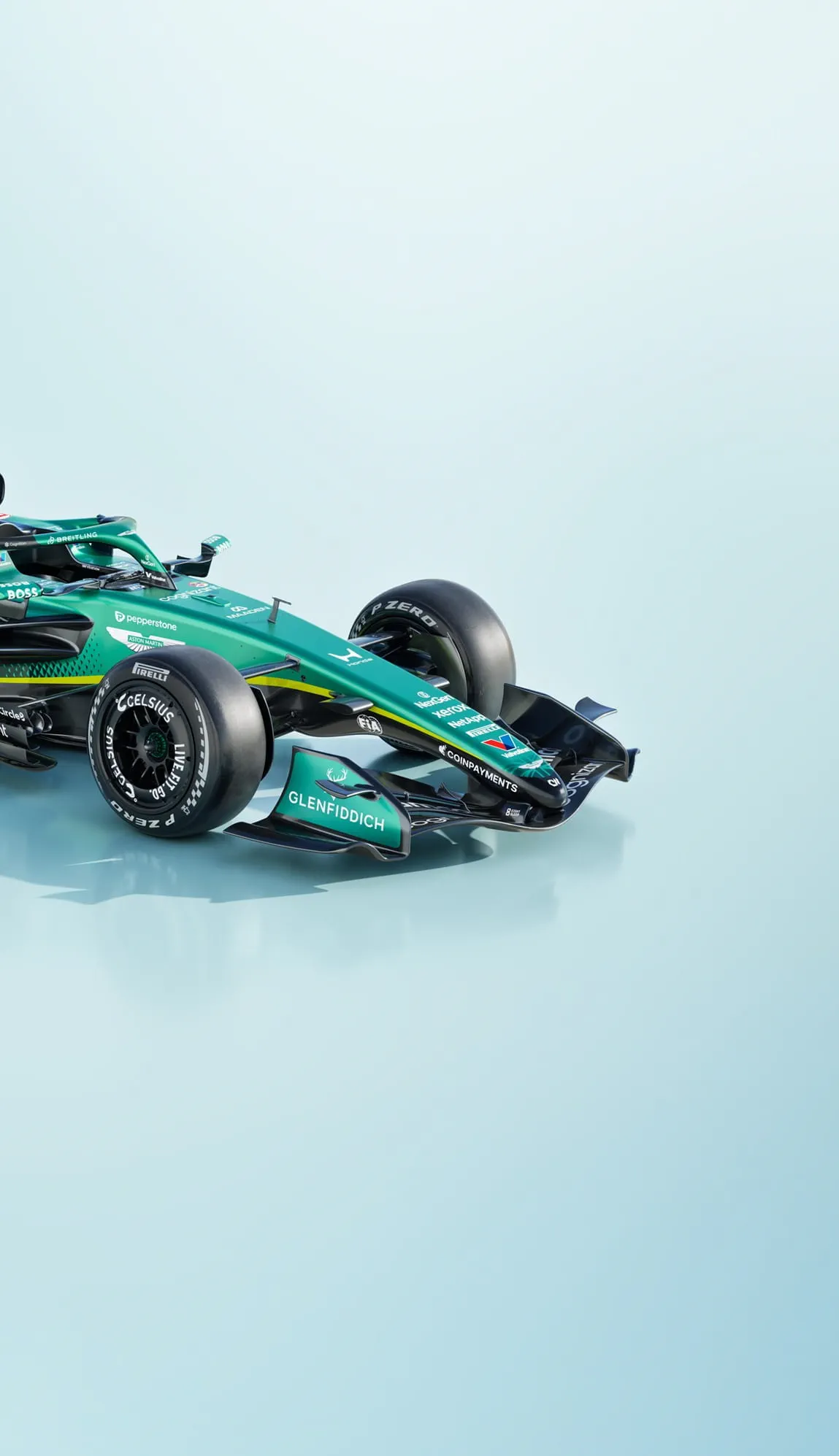
    The front wing of the AMR25 is a significant evolution of the front wing the team introduced towards the end of last year. The changes are focused on improving low-speed downforce, the balance of the car and giving the drivers more stability through all the phases of cornering. Cutting through the air at speeds of more than 350km/h, the front wing directs airflow across all the aerodynamic surfaces and is crucial to the performance of the car. The front wing and nose work in tandem with the over-wheel winglets to control the front-wheel wake and direct it away from the bodywork to help increase downforce at the rear of the car.
    Front Wing

    Brakes

    New brake ducts at both the front and rear of the car are designed to improve brake cooling and airflow management. Brake ducts funnel air into and out of the brake assembly; on the AMR25, this consists of Brembo brake calipers and Carbon Industrie carbon fibre discs and pads. The brakes can slow the car with a deceleration rate of up to 6G, with braking power more than four times that of the hybrid power unit. This means they can bring the car to a standstill from 320km/h in under five seconds and must withstand intense temperatures up to 1,000°C. A balance must be struck between aerodynamic cooling and aerodynamic efficiency: bigger brake ducts mean better cooling, but aerodynamic efficiency will suffer. How harsh a circuit is on brakes will inform that decision.
    Brakes

    Power Unit

    The power unit produces around 1,000bhp and comprises several elements: the internal combustion engine, motor generator unit-heat (MGU-H), motor generator unit-kinetic (MGU-K), turbocharger, energy store, control electronics, and exhaust. The MGU-H uses energy from the engine's exhaust gases to generate electricity, which is used to keep the turbocharger spinning at optimum speeds and prevent turbo-lag. The MGU-K recovers kinetic energy during deceleration to produce more power when the throttle is applied. The eight-speed, semi-automatic Mercedes F1 gearbox sits behind the power unit. This is the last gearbox the team will use from an external supplier before switching to transmission and hydraulics developed in-house at our state-of-the-art AMR Technology Campus from 2026.
    Power Unit

    Floor

    The design of the floor has been revised to improve airflow underneath the car. The new sidepod and bodywork design complement this, allowing better airflow management under the car and over the rear wing. Much of the car's downforce is generated by the floor. Extracting the most from this area is key to unlocking performance; the floors of F1 cars have been a key development battleground since the current technical regulations were introduced in 2022. The floor of an F1 car features a complex series of channels and tunnels that work together to create downforce and reduce drag. The channels guide air through a narrowing section under the car which then widens towards the rear. This narrowing and widening accelerates the airflow, creating a low-pressure area that generates additional downforce and pulls the car closer to the racetrack – also known as ground effect. At speeds of around 150km/h, the car can generate its own weight in downforce.
    Floor

    Suspension

    Suspension has several, often conflicting, roles. It should be compliant enough that the grip from the tyres is consistent as the car traverses track undulations, yet stiff enough that the ride height of the car is in the optimum range for the aerodynamics. The suspension setup is tuned to control the weight transfer distribution to improve cornering ability, and the suspension geometry should ensure as much of the tyre is in contact with the track surface as possible for more grip, enabling earlier throttle application.
    Suspension

    Frizelle Sunshine AutomotiveCar Dealership in Gold Coast QLD. Copyright © 2026. All Rights Reserved.
    Powered By Dealer Studio